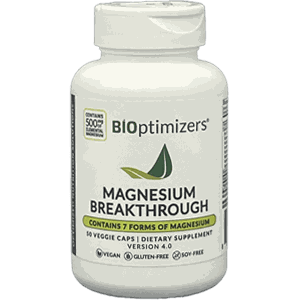
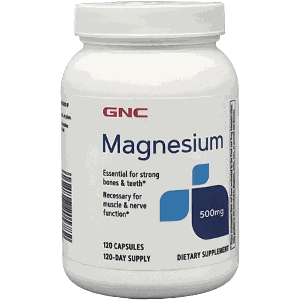
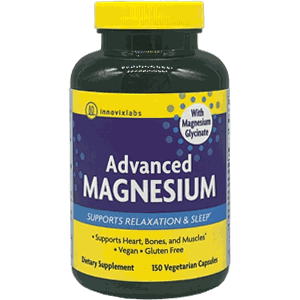
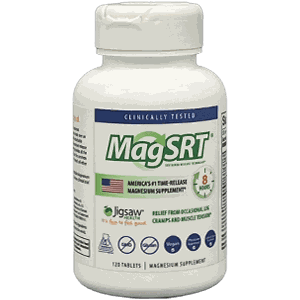
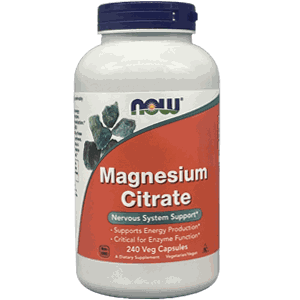
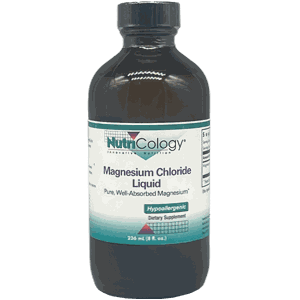
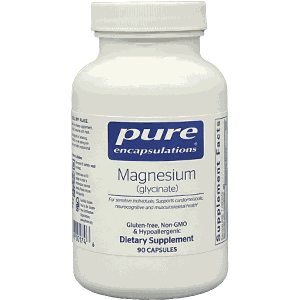
Summary
-
What is magnesium?
Magnesium is an essential mineral for proper metabolism and nervous system functioning, including helping to maintain the electrical stability of the heart (see What It Is).
-
How do you know if you need to take magnesium?
Although magnesium can be easily obtained through the diet and overt magnesium deficiency is not common, nearly half the U.S. population does not get adequate amounts of magnesium and can benefit from increasing magnesium intake from foods or supplementation. People most likely to get inadequate magnesium are adolescents and those over age 70. Conditions that may deplete magnesium include alcohol abuse, diabetes, diseases of the digestive tract, and use of medications such as Nexium and Prilosec. Inadequate intake of magnesium may modestly elevate blood pressure and increase the risk of osteoporosis and fractures. Early signs of magnesium deficiency include loss of appetite, nausea, vomiting, fatigue, and weakness (see Magnesium Deficiency and Insufficiency).
-
What does magnesium do?
In addition to boosting intake, supplementing with magnesium may be helpful for conditions such as migraines and menstrual pain, and it is an effective laxative and antacid. It may also improve glucose status in people with prediabetes -- particularly if they are low in magnesium. It also helps control levels of vitamin D and can boost low levels. Maintaining adequate magnesium intake also has cardiovascular benefits, and maintaining a proper ratio of magnesium to calcium intake may have cognitive benefits, although magnesium threonate, which has been promoted for memory, has shown minimal cognitive benefit (see What It Does).
-
What did CL's tests of magnesium find?
Two supplements were Not Approved because they did not accurately list their chemical forms of magnesium. All other magnesium supplements that ConsumerLab selected for review passed the laboratory tests of their quality. However, this does not necessarily reflect the quality of magnesium supplements in the overall marketplace, as problems with magnesium supplements have been reported by ConsumerLab and others (see ConsumerTips), and ConsumerLab generally does not select products that have previously failed testing because its goal is to find best quality products. Even among Approved products, there were major differences in suggested dosage (from 77 mg to 566 mg daily) and cost — from less than 10 cents to more than $1 to obtain 200 mg of magnesium (see What CL Found).

Which magnesium is best?
Among products that were Approved in testing, CL selected a Top Pick for magnesium that is low in price (just pennies per pill) and in achemical form that is stable, relatively well-absorbed, and unlikely to cause diarrhea at moderate doses (For Top Picks among supplements that combine magnesium with other ingredients, see the Reviews of Calcium, Vitamin D, Vitamin K, and Boron).-
How do forms of magnesium differ?
Magnesium comes in many forms. Magnesium oxide tends to be less expensive than other forms but may also be less well absorbed and more likely to cause diarrhea. Forms that are more water soluble, such as magnesium chloride, citrate and many chelate forms (e.g., bisglycinate), may be better absorbed. Magnesium chloride is less likely to cause diarrhea and is recommended if you are taking a higher dose but it is best in liquid form rather than as a tablet, as it tends to attract and hold water, which can cause pills to disintegrate and create problems with supplement storage. Some magnesium chelates are also less likely to cause diarrhea but are bulky, requiring larger pills to get the same amount of elemental magnesium. Labels are required to show the amount of elemental magnesium in each serving, but you need to read labels carefully. See What to Consider When Buying for more about the different forms.
-
What's the right dose of magnesium?
Most people can get the daily required magnesium from their diet. If you are not getting at least 300 to 400 mg of magnesium from your diet, consider a supplement that will get you to that level. Supplementing with about 200 mg should generally be sufficient and safe.
When used to treat known deficiency, magnesium is often recommended at doses of 250 to 600 mg daily. However, unless treating a deficiency, limit your daily intake of magnesium from supplements and fortified foods to no more than 350 mg (the Tolerable Upper Intake Level), to avoid side-effects. You can easily get the rest of your required magnesium from your diet (see What to Consider When Using).
-
How can the recommended Daily Value (DV) for magnesium be higher than the Tolerable Upper Intake Level (UL)?
The upper limit only applies to magnesium from supplements (and fortified foods). Side effects are not likely to occur from magnesium naturally in foods.
-
Safety and side effects of magnesium:
Magnesium supplements may cause upset stomach, nausea, or diarrhea in some people. If using a powder form of magnesium, be sure to completely dissolve the powder in water before taking to avoid injury to the esophagus. Although rare, excessive intake of magnesium can cause thirst, low blood pressure, drowsiness, muscle weakness and slowed breathing. Be aware that magnesium can interact with many supplements and drugs including cholesterol-lowering statins, such as rosuvastatin, antibiotics, sotalol, gabapentin, levothyroxine, and triamterene (see Concerns and Cautions).
+— 126 sources
In addition the results of its expert testing, ConsumerLab uses only high-quality, evidence based, information sources. These sources include peer-reviewed studies and information from agencies such as the FDA and USDA, and the National Academy of Medicine. On evolving topics, studies from pre-print journals may be sourced. All of our content is reviewed by medical doctors and doctoral-level experts in pharmacology, toxicology, and chemistry. We continually update and medically review our information to keep our content trustworthy, accurate, and reliable. The following sources are referenced in this article:
- USDA NHANES Data 2013-2016
- Huang, Inflamm Bowel Dis 2021
- Komoda, J Gen Fam Med 2023
- Gragossian, StatPearls 2022
- Castigliooni, Nutrients 2013
- Wu, Nutr J 2017
- Dominguez, Nutrients 2021
- Zhang, Hypertension 2016
- Sesso, Hypertension 2020
- Kieboom, J Am Heart Assoc 2016
- Kunutsor, Eur J Epidemiol 2016
- Gobbo, Cardiovasc Diabetol 2012
- Baker, Eur Heart J Cardiovasc Pharmacother 2017
- Zhang, Nutrients 2018
- Vázquez-Lorente, Nutrients 2020
- Cevette, Int Tinnitus J 2011
- Knäpper, J Diet Suppl 2023
- Uluyol, Kulak Burun Bogaz Ihtis Derg 2016
- Attias, Clin Otolaryngol Allied Sci 2004
- Attias, Am J Otolaryngol 1994
- Zhu, J Alz Dis 2020
- Dai, BMJ Open 2013
- Lo, BMJ Open 2019
- Kieboom, Neurology 2017
- Tzeng, Curr Med Res Opin 2017
- Liu, J Alzheimer's Dis 2016
- ClinicalTrials.gov
- Bush, Neuron 2010
- Shen, Neuropsychiatr Dis Treat 2019
- Oyanagi, In: Magnesium in the Central Nervous System [Internet] 2011
- Thurnau, Am J Obstet Gynecol 1987
- Larsson, J Intern Med 2007
- Mooren, Diab Obes Metab 2010
- Guerrero-Romero, Diab & Metab 2015
- Rodriguez-Moran, Adv Chronic Kidney Dis 2018
- Afitska, Magnes Res 2021
- Drethen, Diabetologia 2023
- Larsson, Am J Clin Nutr 2012
- Fang, BMC Medicine 2016
- Vossen, Nutrients 2020
- Bressendorff, J Am Soc Nephrol 2023
- Islam, BMC Psychiatry 2018
- Barragán-Rodrí, Magnes Res 2008
- Tarleton, PLoS One 2017
- Rajizadeh, Nutrition 2017
- Felice, Aust N Z J Psychiatry 2009
- Tarleton, PLoS One 2022
- Gendle, J Artic Support Null Hypothesis 2015
- Ichihara, J Lab Clin Med 1993
- Abbasi, J Res Med Sci 2012
- Mah, BMC Complement Med Ther 2021
- Zeng, J Rheumatol 2015
- Hu, BMJ Open 2020
- Ryder, J Am Geriatr Soc 2005
- Veronese, Br J Nutr 2017
- Wu, Osteopor Int 2020
- Veronese, AJCN 2014
- Steward, Eur J Appl Physiol 2019
- Reno, J Strength Cond Res 2020
- Hornyak, Sleep 1998
- Garrison, Cochrane Database Syst Rev 2020
- Supakatisant, Matern Child Nutr 2012
- Yablon, 2011. Magnesium in the Central Nervous System
- Koseoglu, Magnes Res 2008
- Maizels, Headache 2004
- McCarty Med Hypotheses 1996
- Russell, J Rheumatol 1995
- Cashman, Clin Dermatol 2010
- Parazzini, Magnes Res 2017
- Dupont, Nutrients 2020
- Stepura, Int J Cardiol 2009
- Gulick, J Strength Cond Res 2012
- Engen, J Integr Med 2015
- Kass, PLoS One 2017
- Topp, Int J Nur Health 2018
- Watkins, Eur J Nutr Res 2010
- Shealy Wellness Clinic
- Epsom Salt Council
- Mühlbauer, Eur J Clin Pharmacol 1991
- Ranade, Am J Ther 2001
- Shechter, Magnes Res 2012
- Andermann, Eur J Drug Metab Pharmacokinet 1982
- Day, BMC Res Notes 2010
- Brilli, Eur Rev Med Pharmacol Sci 2018
- Siener, Urol Res 2011
- Fine, J Clin Invest 1991
- Chapron, Ann Pharmacother 1994
- Spencer, J Am Coll Nutr 1994
- NIH Fact Sheet
- Jahnen-Dechent, Clin Kidney J 2012
- Swaminathan, Clin Biochem Rev 2003
- Elin, Mag Res 2010
- Ismail, Clin Chem Lab Med 2010
- Haigney, Circulation 1995
- Birrer, J Emerg Med 2002
- Hubbard, BMJ Case Rep 2021
- Milne, BMJ Case Reports 2009
- Philips, BMJ Case Reports 2017
- Assal, Can J Gastroenterol Hepatol 2014
- Kynast-Gales, J Am Coll Nutr 1994
- Higdon, Crit Rev Food Sci Nutr 2006
- Salazar-Martinez, Ann Intern Med 2004
- Stelmach, Food Chem 2016
- Hsiao, J Biomed Sci 2004
- Ravn, Thromb Haemost 1996
- Shechter, Magnes Res 2000
- Neuvonen Br J Clin Pharmacol 1991
- Tang, Diabetologia 2016
- Saha, JCEM Case Rep 2023
- Martin, Curr Med Res Opin 2008
- NIH 2017
- Cipro Prescribing Information 2016
- Betapace Prescribing Information 2010
- Neurontin Prescribing Information 2017
- Synthroid Prescribing Information 2017
- Henderson, Ugeskr Laeger 1987
- PDR 2017
- Koontz, Am J Obstet Gynecol 2004
- Rodin, Clin Pharmacokinet 1988
- Rao, J Emerg Med 2013
- Kashihara, Eur J Clin Pharmacol 2019
- Niederstadt, Transplant Proc 1997
- Yamasaki, Eur J Clin Pharmacol 2014
- Laconi, Carcinogenesis 1993
- EFSA Journal 2009
- Borel, Br J Nutr 2017
You must
be a member to get the full test results along with ConsumerLab.com recommendations and quality ratings. You will get results for 15 magnesium supplements. Ten of these products were selected for testing by ConsumerLab.com and five others passed the same testing through its voluntary Quality Certification Program.
In this comprehensive review, you'll discover:
 Which magnesium supplements failed our tests and which ones passed
- CL's Top Picks among magnesium supplements based on form, quality and dose
- The pros and cons of different forms of magnesium, including magnesium aspartate and orotate, magnesium citrate, magnesium chloride, magnesium bisglycinate, magnesium lactate and lactate dihydrate, magnesium oxide and magnesium-L-threonate
- How to get adequate magnesium from food
- The causes and symptoms of magnesium deficiency
- How much magnesium to take to treat or prevent magnesium deficiency and other conditions
- The evidence for and against using magnesium supplements for restless leg syndrome, leg cramps, migraines and more
- Potential drug interactions and side-effects of magnesium supplements
As a ConsumerLab.com member, you may print a copy of this report for your personal use.
You can access a special print version by clicking the "Print" icon in the upper right corner of this report.
You can then use your web browser's print functions to print the whole report or just selected pages.
You may also email or post a link to this report using the web address above.
Non-members using the link will see a free summary and can join to view the full report.
Other means of copying or distributing this report, in part or full, are not permitted.
If you are sight-impaired and your computer is having trouble converting the text in this report to speech,
contact us for assistance at Membership@ConsumerLab.com or by
phone at 914-722-9149.