Quick Summary
-
How do potassium iodide and potassium iodate protect against radiation?
Potassium iodide (KI) and potassium iodate (KIO3) (from pills, liquids, or powders) can help protect the thyroid gland from the effects of radioactive iodine that can occur in the air, water, and foods after a nuclear event and accumulate in the thyroid and cause thyroid cancer. Be aware that these compounds do not protect other parts of the body from radiation and they should only be used when evacuation and avoidance of contamination is not possible. See ConsumerTips: What to Consider When Buying for more information about the forms and brands.
-
How much potassium iodide or iodate should I take?
For adults, 130 mg of potassium iodide or 170 mg of potassium iodate daily are effective means of protection in the event of exposure to radioactive iodine. The protective effect of the stable iodine provided by these products lasts approximately 24 hours, so it should be taken daily until a risk of significant exposure to radioactive iodine inhalation or ingestion no longer exists, but repeat dosing of infants less than one month of age is not recommended (see Concerns and Cautions).
-
Which is the best potassium iodine product for radioprotection?
Among the products on the market, ConsumerLab.com chose three Top Picks. Each lists the correct dose of potassium iodine, is reasonably priced, and the product or brand is considered reputable based on ConsumerLab's past testing.
-
Where can I find potassium iodide or iodate products?
These are normally easily purchased online. During times of increased risk, products can become difficult to purchase, with OTC products tending to sell out before dietary supplements, but you may be able to obtain OTC products from local government agencies if you live near a nuclear facility (see Getting Potassium Iodide in 2022).
-
Is it safe to take potassium iodide or iodate?
These products provide very high doses of iodine and you should not use them if not absolutely necessary. The amount of iodine in a daily serving is about 99 mg, which is 660 times the adult daily nutritional requirement and 90 times the daily tolerable upper intake level. Risks include inflammation of the salivary gland, gastrointestinal disturbances, allergic reactions and minor rashes. In addition, persons with known iodine sensitivity should avoid KI and KIO3 and infants under one month of age may experience transient hypothyroidism. For more safety information, see Concerns and Cautions.
Products tested in 2022
+— 1 sources
In addition the results of its expert testing, ConsumerLab uses only high-quality, evidence based, information sources. These sources include peer-reviewed studies and information from agencies such as the FDA and USDA, and the National Academy of Medicine. On evolving topics, studies from pre-print journals may be sourced. All of our content is reviewed by medical doctors and doctoral-level experts in pharmacology, toxicology, and chemistry. We continually update and medically review our information to keep our content trustworthy, accurate, and reliable. The following sources are referenced in this article:
Alphabetical list of potassium iodide and potassium iodate product brands reviewed in the report
Best Naturals Potassium Iodide
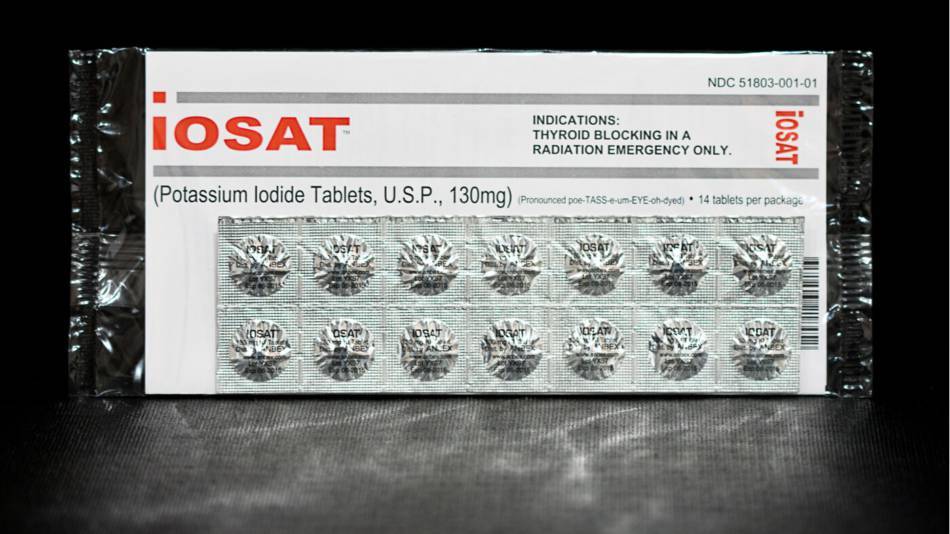
Iosat (Potassium Iodide Tablets, U.S.P.)
Life Extension Potassium Iodide
Medical Corps Potassium Iodate
Source Naturals Potassium Iodide
Vitamatic Potassium Iodide Supplements
As a ConsumerLab.com member, you may print a copy of this report for your personal use.
You can access a special print version by clicking the "Print" icon in the upper right corner of this report.
You can then use your web browser's print functions to print the whole report or just selected pages.
You may also email or post a link to this report using the web address above.
Non-members using the link will see a free summary and can join to view the full report.
Other means of copying or distributing this report, in part or full, are not permitted.
If you are sight-impaired and your computer is having trouble converting the text in this report to speech,
contact us for assistance at [email protected] or by
phone at 914-722-9149.